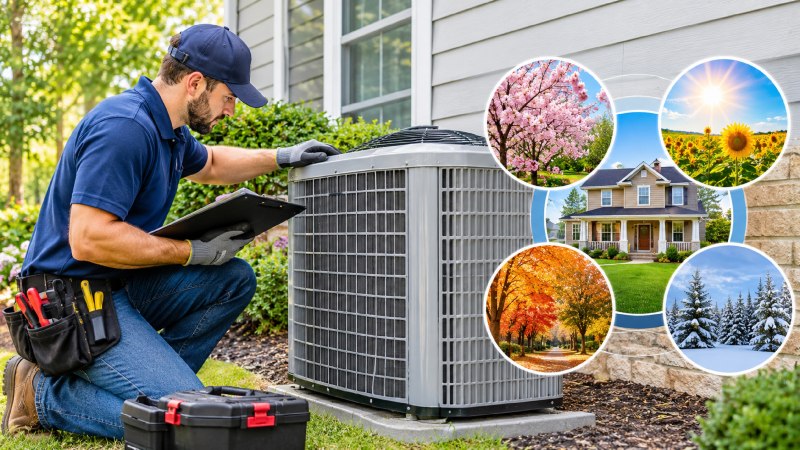
Heating and cooling equipment works hardest when outdoor temperatures are most demanding. A simple calendar helps homeowners break maintenance into manageable steps rather than waiting until a system fails on the hottest or coldest day of the year. It also creates a consistent routine for noticing changes in comfort, energy use, noise, airflow, and humidity before those changes become urgent problems.
Whether a home uses a furnace, boiler, heat pump, central air conditioner, or a combination of equipment, basic observation matters. For repairs, inspections, and issues beyond routine upkeep, expert HVAC services can help identify the source of a comfort or safety concern. Keeping notes about when a problem started, which rooms are affected, and whether it occurs during heating or cooling can also help make a service visit more productive.
Why Seasonal HVAC Care Matters
Equipment that has been idle for months may show trouble when it is first needed. A dirty filter, blocked airflow, drainage problem, or thermostat setting can make a home feel uncomfortable even when the system is technically running. Planning checks before peak weather can also make it easier to schedule service on your timeline. Regular filter changes and annual tune-ups are among the steps recommended by ENERGY STAR guidance for home comfort to improve heating and cooling efficiency.
Seasonal care is especially useful because heating and cooling systems are connected to other parts of the home. Insulation gaps, unsealed windows, closed interior doors, blocked returns, and changes in household occupancy can all influence how evenly conditioned air moves through a living space. An HVAC inspection may not solve every comfort issue, but it can help distinguish an equipment problem from an airflow or home-envelope concern.
Year-Round HVAC Basics
Put a few quick checks on every month of the calendar:
- Inspect the air filter and replace it according to the equipment and filter manufacturer’s directions.
- Keep supply registers and return grilles uncovered by furniture, rugs, curtains, and storage.
- Watch for weak airflow, uneven temperatures, unusual sounds, or unfamiliar odors.
- Keep a record of filter changes, repairs, and professional visits.
- Test smoke and carbon monoxide alarms according to their manufacturer’s instructions.
- Check thermostat settings after power outages, daylight-saving time changes, vacations, or seasonal transitions.
- Look for signs of water around indoor equipment, drain pans, condensate tubing, and nearby flooring.
- Make sure household members know where the equipment shutoffs are located, and do not attempt repairs that require electrical, gas, or refrigerant work.
A calendar reminder can make these basic tasks easier to remember. If a filter appears visibly loaded with dust or debris before its expected replacement date, changing it sooner may be appropriate. The correct filter type and size should match the system and the filter rack; forcing an improperly sized filter into place can allow air to bypass it.
Spring Checklist: Prepare for Cooling
Spring is the transition from heating to air conditioning. Before the first extended warm spell, inspect or replace the filter, test the thermostat in cooling mode, and confirm that interior vents are open. Remove leaves, grass clippings, branches, and stored items from around the outdoor unit to allow air to move freely. Look around visible condensate-drain areas for water, staining, or leaks.
It is also helpful to listen during the first cooling cycle of the year. The system should start, run, and shut off without persistent rattling, loud buzzing, or other unfamiliar sounds. Check several rooms rather than judging performance from a single vent, since a single closed register, an obstructed return, or a sun-exposed room can create a localized comfort issue.
Schedule a cooling inspection if the system has not been serviced recently, especially if it struggled last summer. Do not open electrical panels, disconnect wiring, or attempt to handle refrigerant lines.
Summer Checklist: Protect Cooling Performance
During periods of heavy use, check the filter more often and keep the outdoor unit clear of weeds and debris. Close doors and windows while the cooling system is operating, and use blinds or shades to limit direct sunlight during the hottest part of the day. Long run times can occur during very hot weather, but warm supply air, repeated short cycling, or rooms that remain uncomfortable may indicate an airflow or equipment problem.
Use bathroom and kitchen exhaust fans only as needed, since they remove indoor air and may affect comfort if they run for long periods. If moisture appears on supply vents, windows, or nearby surfaces, note when it happens and whether it is limited to a particular room. Persistent condensation can be worth discussing with an HVAC professional.
Fall Checklist: Prepare for Heating
Before cold weather becomes routine, inspect the filter, test the thermostat in heating mode, and make sure return grilles and registers are open. For homes with heat pumps, clear fallen leaves away from outdoor equipment. Check that exterior intake and exhaust openings are not blocked. Fall is also a useful time to arrange heating maintenance and test safety alarms.
If the home has a programmable or smart thermostat, review the schedule before the heating season begins. Schedules that no longer match work, school, travel, or sleep routines can cause unnecessary discomfort. When testing heat for the first time, a brief dusty smell may occur after a long period without operation, but persistent burning odors, smoke, or unusual fumes should not be ignored.
Closed windows, changing allergens, humidity shifts, and everyday indoor activities can affect air inside the home. The EPA’s indoor air quality guidance explains how source control, ventilation, and filtration can work together to reduce exposure to indoor pollutants.
Winter Checklist: Keep Heat Safe and Steady
Check filters regularly, keep the area around furnaces and boilers free of storage, and inspect exterior vents after snow or ice. Listen for new rattling, banging, squealing, or frequent on-and-off cycling. Rooms that become unusually cold, damp, or difficult to heat deserve attention.
Avoid closing off too many rooms or registers in an attempt to direct more heat elsewhere. HVAC systems are designed around expected airflow, and significant restrictions can contribute to uneven temperatures. Instead, confirm that vents and returns are clear, and report any ongoing hot-and-cold spots during a professional inspection.
Never ignore a carbon monoxide alarm. If you smell gas, see soot, notice smoke or an electrical burning odor, or suspect carbon monoxide exposure, prioritize personal safety, leave the area when necessary, and contact emergency services or a qualified professional. The Consumer Product Safety Commission advises households to keep carbon monoxide alarms on every level and outside sleeping areas as part of carbon monoxide safety planning.
What Homeowners Can Do and When to Call for Help
Reasonable Homeowner Tasks
- Checking or changing filters.
- Confirming thermostat settings and replacing batteries when appropriate.
- Clearing visible debris around outdoor equipment.
- Keeping vents, returns, and equipment areas unobstructed.
- Testing smoke and carbon monoxide alarms.
- Recording model numbers, filter sizes, service dates, and recurring symptoms for future reference.
Tasks for Qualified Professionals
- Electrical diagnostics, refrigerant work, gas line work, and combustion testing.
- Heat exchanger concerns, burner repairs, and deep internal cleaning.
- Duct repairs, airflow balancing, major drainage issues, and equipment replacement.
- Diagnosis of circuit breakers that trip repeatedly, damaged wiring, refrigerant leaks, or persistent system faults.
When in doubt, homeowners should avoid removing access panels or bypassing safety switches. A system may appear simple from the outside, but its internal components may include stored electrical energy, sharp metal edges, moving parts, hot surfaces, fuel connections, and pressurized refrigerant circuits.
How HVAC Care Connects With Indoor Air Quality
Filters can capture some airborne particles, but they do not solve every air-quality concern. Airflow, ventilation, humidity, household activities, and the condition of ducts and equipment can all matter. Musty odors, repeated condensation, visible dust buildup, and excessive dryness are useful observations to share with a professional. Avoid choosing a filter solely because it has the highest rating, as it must also be compatible with the system’s airflow requirements.
Household habits also matter. Avoid blocking return grilles with laundry baskets or furniture, use exhaust ventilation while cooking when available, and address visible moisture promptly. If a home has recurring odors or humidity concerns, describe the location, timing, and weather conditions associated with the issue rather than assuming the HVAC system is the only cause.
Warning Signs That Should Not Be Ignored
- The system starts and stops repeatedly.
- Airflow is weak at several vents.
- One room remains much warmer or colder than the rest of the home.
- Water collects near indoor equipment or a drain line.
- The thermostat cannot maintain the selected setting.
- New grinding, buzzing, banging, or squealing sounds appear.
- Utility costs rise unexpectedly without an obvious change in weather, thermostat use, or household routines.
- Ice appears on refrigerant lines or the outdoor unit during cooling operation.
These signs do not always indicate the same repair, but they are useful reasons to schedule an assessment rather than continue resetting the thermostat or repeatedly restarting the equipment.
Common Questions About Seasonal HVAC Care
How often should an HVAC system be checked?
Many homes benefit from checking cooling equipment before summer and heating equipment before winter. The right schedule depends on the equipment type, age, use, and the manufacturer’s guidance. Systems serving homes with pets, high dust levels, heavy occupancy, or known comfort issues may require closer monitoring between professional visits.
How often should a filter be changed?
Inspect it regularly rather than relying on one universal interval. Pets, dust, allergies, occupancy, and heavy seasonal use can all affect how quickly a filter becomes dirty. Use the replacement guidance for the specific filter and equipment, and make sure airflow arrows on the filter are oriented correctly when installing a new one.
When is HVAC repair an emergency?
Gas odors, a carbon monoxide alarm, smoke, strong electrical odors, major leaks, loss of heat in dangerous cold, and loss of cooling in unsafe heat all warrant prompt action. For suspected gas or carbon monoxide hazards, do not remain inside to troubleshoot the equipment.
Conclusion
HVAC care does not need to be overwhelming. A few minutes each month, paired with spring and fall preparation, can help protect comfort, safety, and system performance. Keep this checklist visible, record changes in your home, and address warning signs before they become more disruptive.
Consistent attention is often more valuable than complicated maintenance routines. By focusing on filters, airflow, outdoor clearance, thermostat settings, drainage, and safety alarms, homeowners can develop a practical record of how their system normally operates and recognize meaningful changes sooner.