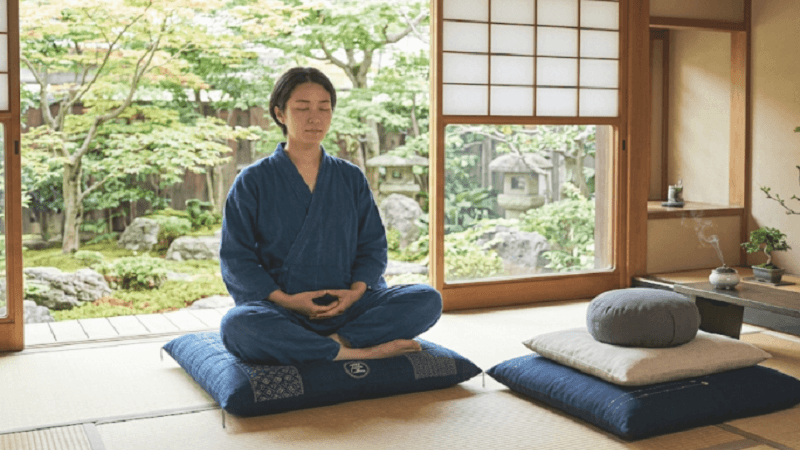
Finding a quiet moment in the day sometimes feels harder. You sit down to meditate, but your back starts aching within minutes, and your knees protest against hard floors. Even sometimes, the cushion you grab from the couch doesn’t cut it.
However, Japanese floor cushions solve this problem by supporting your body in ways regular pillows can’t. And retailers like Made Minimal stock these meditation-friendly pieces because we understand how proper support changes your practice.
This guide covers how to choose cushions for meditation practice, what makes Japanese designs work so well, and how to use them beyond your daily sits. You’ll also learn about zafu and zabuton styles, care tips, and ways to add these versatile pieces throughout your space.
Let’s get started.
Why Japanese Floor Cushions Work for Meditation
Japanese floor cushions work for meditation because they promote proper spinal alignment and ground your body closer to the earth. And the design isn’t accidental. Japanese people developed them over centuries of sitting practice, and the attention to how bodies actually settle during meditation shows in every detail.
If you want to see why they work so well, look at the following design elements that support comfort during longer sessions:
Posture Support During Long Sessions
A zafu meditation cushion lifts your pelvis just enough to tilt it forward naturally. This small angle takes pressure off your lower back and lets your spine stack properly. Your knees also drop lower than your hips when you sit cross-legged on one, which stops that familiar ache from building up just after a few minutes.
That’s only part of the setup. Zabuton cushions go underneath to protect your ankles and knees from hard floors. Besides, the combination gives you a stable base without forcing your body into positions it can’t hold comfortably.
Natural Materials That Breathe
Frankly, synthetic fills tend to trap heat and make cushions feel warm during longer sessions. That’s why quality meditation cushions use buckwheat hulls or kapok filling, as these materials shift with your movement and stay cooler during use.
Typically, such cotton covers let air circulate, which is very important during a 20-minute sitting session in Australia’s climate. The fabrics also hold their shape better over time. On the flip side, cheaper fills compress and stop supporting your pelvis properly within months.
Low Seating Encourages Mindful Practice
Sitting closer to the floor changes how you experience the space around you. The perspective shift here is subtle but real. We’ve noticed customers in our Brisbane showroom consistently mention how sitting lower helps them focus better.
Beyond that, floor-level meditation removes the distraction of furniture. As a result, you’re just there with your cushion, which removes visual noise and lets your mind settle more easily into stillness.
Choosing the Right Floor Pillow for Your Space
Choosing the right floor pillow is how it changes an empty corner into your personal retreat. On top of that, you don’t even need a dedicated meditation room or elaborate setup to do this. Just place the right cushion in the space you already have.
Usually, four factors determine whether a floor cushion actually works for you:
- Thickness Counts for Comfort: Zafu cushions generally range from 12 to 18 centimetres in height. Taller people or those with less hip flexibility often prefer these cushions for better support during longer meditation sessions. Meanwhile, thinner options work if you’re already comfortable sitting cross-legged on the floor.
- Cover Fabric Affects How They Last: Cotton breathes beautifully in Brisbane’s humidity (anyone who’s lived through summer here will appreciate it), while linen adds texture and gets softer with use. This way, most quality covers are crafted to handle regular use without fading. Besides, colours and prints let you match your home style.
- Size Depends on Your Sitting Style: Once you’ve sorted fabric and thickness, sizing becomes the final piece. Larger zabuton cushions (around 80 x 80 centimetres) support full cross-legged positions and protect your knees during longer sits. In comparison, smaller floor pillows suit kneeling positions where your pelvis rests on your heels.
- Filling Type Changes Performance: Buckwheat hulls shift to match your body while staying firm, which provides steady support. By contrast, Kapok feels softer and lighter, though it compresses more quickly over time. Some meditation cushions also use foam, which works well for more casual use.
All of these factors come in a wide range of options available in Australia. This means you can find something that fits your space without having to settle for less.
Quick tip: Always start with a single zafu to test how floor sitting feels before adding a full zabuton set. Otherwise, you will end up wasting money on the wrong fit.
Floor Cushions Beyond Meditation: Daily Relaxation Uses
Your meditation cushion doesn’t have to wait around for your next practice session. These versatile pieces work throughout your home in ways you might not expect at first.
Here are a few everyday ways floor cushions naturally fit into daily life:
Reading Nooks and Quiet Corners
You might be surprised how often these cushions end up being favourite reading spots. A zabuton on the floor by a window creates an instant retreat without taking up the space a chair would. This low sitting position often feels more relaxed than perching on furniture and allows you to settle in with a book for an hour or two.
Sometimes, corners near natural light tend to make these setups even more inviting. And you can easily move floor pillows around as your mood or the season changes.
Yoga and Stretching Sessions
Floor cushions can make light stretching or yoga practice far more comfortable. During poses like child’s pose or cat-cow stretches, they provide gentle support for your knees against the floor.
A zafu also works great under your sitting bones during seated forward folds by giving your hips a slight lift and reducing strain on your lower back. Its firm filling offers a bit of softness while still keeping your body supported through different positions.
Casual Seating for Tea Time
Tea ceremonies are a classic setting for floor cushions, and the tradition still carries meaning today. Now, people often use them for afternoon coffee or weekend chats with friends.
In fact, setting up such cushions on your deck creates relaxed seating without dragging chairs outside. Plus, the casual style encourages longer conversations and comfortable gatherings.
Meditation Cushion Care: Keeping Them Fresh
Proper care extends your cushion’s life and keeps it feeling fresh for every meditation session. For example, you should handle spills as soon as they happen. Just spot clean them with mild soap and water before stains settle into the fabric. So, the faster you address these marks, the easier they lift without leaving residue behind.
Besides, air your cushions outdoors monthly to refresh the filling and eliminate moisture that builds up during use. Through our experience selling these pieces, we’ve learned that monthly airing prevents the musty smell some cushions develop in Australia’s humid climate.
However, you should avoid leaving zafu or zabuton cushions out in the rain, as water can damage natural fills like buckwheat hulls.
You can also remove covers for washing when possible. Most quality covers handle gentle machine cycles without drama (check the care label first, obviously). For instance, cotton and linen fabrics are made to withstand regular washing while protecting the filled interiors. This keeps your meditation cushions looking and smelling clean for longer.
Helpful tip: Always store floor cushions in a dry spot between uses, because proper storage adds to their longevity and keeps the fills from compressing unevenly.
With such easy maintenance, your zafu stays supportive, and your zabuton continues cushioning your knees and ankles comfortably.
Your Path to Calmer Moments
Finding the right floor cushions for meditation practice doesn’t need to feel complicated. You’ve learned how zafu and zabuton styles support your body, what materials work best, and how these versatile pieces fit into daily life beyond sitting sessions. Plus, the comfort they add to your home space makes regular meditation easier to maintain.
Quality cushions support your knees, ankles, and pelvis properly during longer sits. They also create comfortable spots throughout your space without demanding much room or fuss.
Ready to set up your meditation corner? Explore Made Minimal’s range of floor cushions designed for both practice and relaxation, and find the style that fits your space perfectly.